Pottery Figurines of the Zodiac in the Northern Wei Dynasty: Pottery Figurines Snake
The Terracotta Warriors of the Twelve Palaces is a work of the Northern Wei Dynasty in China, made in the 500 AD era. This terracotta figure is made of gray terracotta, and there are traces on the surface that show that it was coated with slippery soil. This pottery figurine is part of the Zodiac series, and the animals represent the traditional concept of time in ancient China. This group of pottery figurines is currently in the collection of the Cleveland Museum of Art. The pottery figurines of the Northern Wei Dynasty showed the great confluence of the farming culture of the Han nationality in the Central Plains and the nomadic culture of the northern grassland at that time, as well as the new look of ancient pottery under the influence of the flourishing Buddhist statues and sculptures.

Pottery Figurines of the Zodiac in the Northern Wei Dynasty: Pottery Figurines Rabbit
The Terracotta Warriors of the Twelve Palaces is a work of the Northern Wei Dynasty in China, made in the 500 AD era. This terracotta figure is made of gray terracotta, and there are traces on the surface that show that it was coated with slippery soil. This pottery figurine is part of the Zodiac series, and the animals represent the traditional concept of time in ancient China. This group of pottery figurines is currently in the collection of the Cleveland Museum of Art. The pottery figurines of the Northern Wei Dynasty showed the great confluence of the farming culture of the Han nationality in the Central Plains and the nomadic culture of the northern grassland at that time, as well as the new look of ancient pottery under the influence of the flourishing Buddhist statues and sculptures.

Pottery Figurines of the Zodiac in the Northern Wei Dynasty: Pottery Tiger
The Terracotta Warriors of the Twelve Palaces is a work of the Northern Wei Dynasty in China, made in the 500 AD era. This terracotta figure is made of gray terracotta, and there are traces on the surface that show that it was coated with slippery soil. This pottery figurine is part of the Zodiac series, and the animals represent the traditional concept of time in ancient China. This group of pottery figurines is currently in the collection of the Cleveland Museum of Art. The pottery figurines of the Northern Wei Dynasty showed the great confluence of the farming culture of the Han nationality in the Central Plains and the nomadic culture of the northern grassland at that time, as well as the new look of ancient pottery under the influence of the flourishing Buddhist statues and sculptures.

Pottery Figurines of the Zodiac in the Northern Wei Dynasty: Pottery Figurines Cattle
The Terracotta Warriors of the Twelve Palaces is a work of the Northern Wei Dynasty in China, made in the 500 AD era. This terracotta figure is made of gray terracotta, and there are traces on the surface that show that it was coated with slippery soil. This pottery figurine is part of the Zodiac series, and the animals represent the traditional concept of time in ancient China. This group of pottery figurines is currently in the collection of the Cleveland Museum of Art. The pottery figurines of the Northern Wei Dynasty showed the great confluence of the farming culture of the Han nationality in the Central Plains and the nomadic culture of the northern grassland at that time, as well as the new look of ancient pottery under the influence of the flourishing Buddhist statues and sculptures.
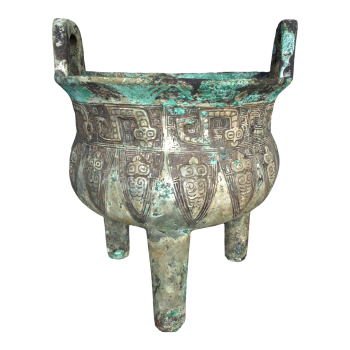
Shang Dynasty Bronze Vessel "Sacrifice to Tripod"
This tripod is a relic of China's Shang Dynasty (1600 BC -1046 BC) and was made from 1200 BC to 1100 BC. The overall size of this bronze vessel is 14.3 x 12.5cm and is currently in the collection of the Cleveland Museum of Art. This tripod has a pattern composed of silkworms and cicadas, which is a typical form and decoration of the late Shang Dynasty. In ancient China, bronze vessels such as the tripod were used to worship the food and meat of ancestors in sacrifices. These bronzes have become the main academic research objects in Chinese history and are precious art treasures.
![[Statue] Head of Amenhotep III of the 18th Dynasty of Ancient Egypt](https://file.freecreat.com/user/62/62/2024/0109/1025402NqZvJye.png?x-oss-process=image/resize,m_pad,w_350/quality,q_80)
[Statue] Head of Amenhotep III of the 18th Dynasty of Ancient Egypt
Amenhotep III (between 1403 BC and 1397 BC to 1353 BC) was the ninth pharaoh of the 18th dynasty of ancient Egypt. He reigned for 38 years. Amenhotep III ascended the throne between the ages of 6 and 12, and the XVIII dynasty reached its heyday during his reign. During the reign of Amenhotep III, all of Egypt was rich and stable. There is only one record of military activities. In the early days of his accession to the throne, the war against the Nubians was aimed at ensuring the safety of the Nubian region. The statue was donated by the Hanna Foundation in 1952 and is currently in the collection of the Cleveland Museum of Art.

New Assyria Period Gypsum Relief "Salute Guardian Spirit Saluting Protective Spir"
The "Patron Saint of Tribute" is a plaster relief dating from the Neo-Assyrian period (911-609 BC). Found at the Northwest Palace in Nimrud, Iraq, currently in the collection of the Cleveland Museum of Art. The relief, which depicts a winged god and an agricultural harvest, was created during the reign of Ashur Nasir Pal II, the second king of the Neo-Assyrian Empire, from 883 BC to 859 BC. This relief was made under his leadership to decorate the palace. It is one of hundreds of similar reliefs.
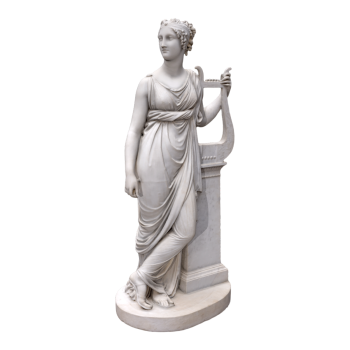
Marble statue of the Cleveland Museum of Art The Muse of Poetry
The Poetic Muse in Ancient Greek Mythology She is one of the nine Muses who inspired her creation. She holds a lyre and has a double snake-wound staff. The statue was carved out of marble by Italian sculptor Antonio Canova in 1816. It is one of nine muse statues designed by Canova for Tsar Alexander I of Russia. The statues were originally intended to be placed in the Hermitage Museum in St. Petersburg, but they were scattered to different places due to the sudden death of the Tsar. The Poetic Muse was eventually acquired by the Cleveland Museum of Art in 1968. It is one of the museum's most important collections.
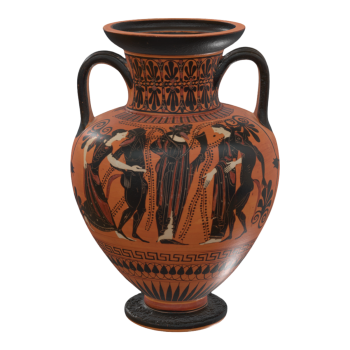
Cleveland Museum of Art Collection Black Pottery Neck Jars: Hercules and Nemeia Lions, Dionysus, Goat Gods and Fanatical Goddess
This Greek Athens pottery has a total height of 39.8cm and a diameter of 29cm. It was purchased by the Andrew R. and Martha Holden Jennings Foundation in 1970. On the front of the wine jar, Hercules, one of Greece's greatest heroes, is shown wrestling with a lion of Nemeia, who wears a lion's skin as a trophy for protection. Athena, the patron goddess of Hercules, stands with her nephew Iolaus (armed with the Hero's Stick). On the other side, a scene unrelated to the former is shown, depicting Dionysus, the god of wine, with the dancing fanatical goddess and the goat god.

Popular Models


Random Model




Ink landscape painting origami fan
1004 View

Wall mounted small hair dryer
980 View

Garden snail specimen
953 View


90 s Toyota Truck Medium Truck
642 View